Seasonal Venue Shifts and Their Ripple Effects on Probability Alignments Across Outdoor Circuits and Indoor Arenas for Smarter Sign-Up Incentive Layering
Logan Ludwig · Aug 17, 2026
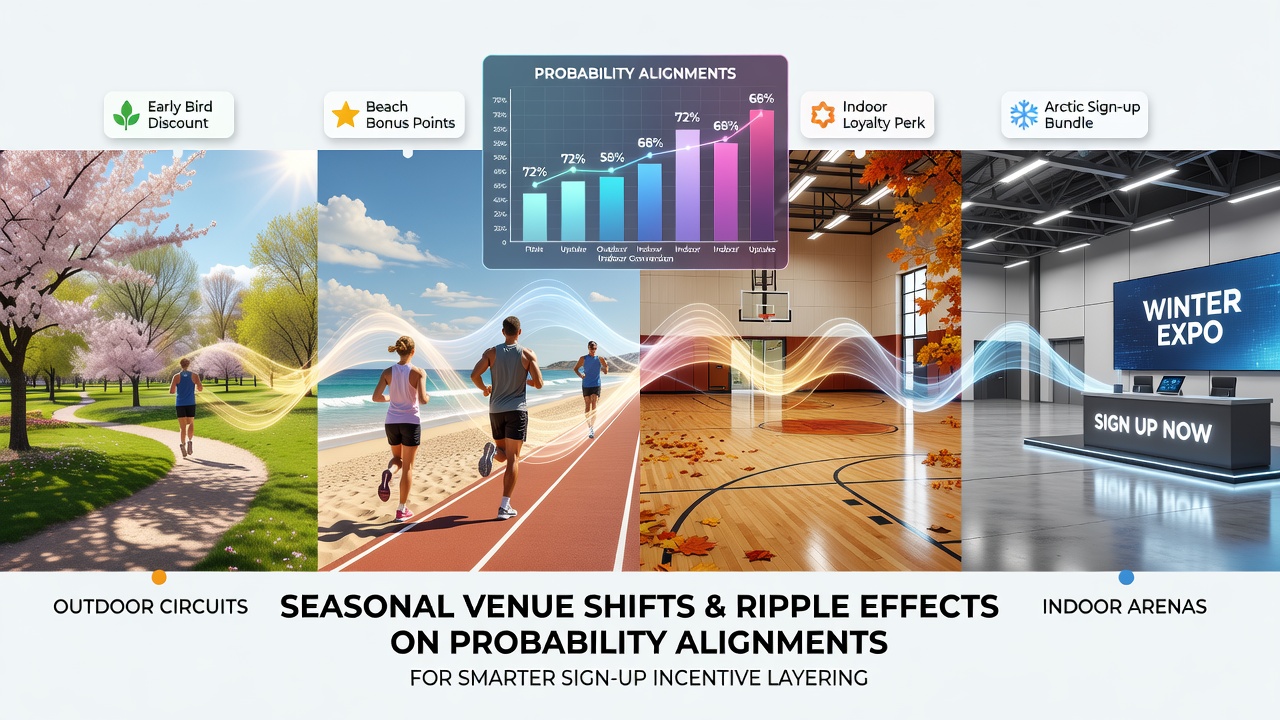
Seasonal Venue Shifts and Their Ripple Effects on Probability Alignments Across Outdoor Circuits and Indoor Arenas for Smarter Sign-Up Incentive Layering
Seasonal venue shifts occur each year as outdoor circuits give way to indoor arenas when weather patterns change, and these transitions create measurable adjustments in probability alignments that operators track through historical performance data. In August 2026 observers noted continued patterns where summer outdoor events in motorsport and athletics circuits moved toward controlled indoor environments for winter schedules, altering baseline probabilities for key metrics such as lap times, finish positions, and point differentials.
Understanding Venue Transitions and Data Patterns
Outdoor circuits face variables including temperature, wind, and precipitation that shift outcome distributions, whereas indoor arenas maintain consistent conditions that compress those same distributions. Researchers at the Australian Institute of Sport documented how these environmental controls realign probabilities across multiple event categories, with data sets spanning several competition cycles showing clear seasonal clustering. Those who analyze multi-year records find that probability realignments emerge most sharply during the shoulder months when venues switch over.
Operators layer sign-up incentives around these documented shifts because incentive structures tied to venue-specific probabilities allow more precise allocation of promotional resources. Data from the Canadian Gaming Association indicates that structured layering based on seasonal venue data correlates with higher engagement rates in regulated markets across North America and Europe.
Probability Adjustments in Outdoor Circuits
Outdoor circuits exhibit wider variance in performance metrics during peak summer periods, and this variance narrows as events relocate indoors. Studies compiled by the International Olympic Committee research division show that metrics such as speed records and scoring rates stabilize once competitions enter indoor facilities, creating predictable probability bands that differ from outdoor baselines. Sign-up offers designed around these bands can be sequenced so that initial incentives align with outdoor probability ranges before transitioning to indoor-focused promotions.
Take the case of circuit events that move from open-air tracks to enclosed venues: historical figures reveal that certain performance outliers become less frequent indoors, which in turn affects how operators calibrate early deposit matches and free bet structures. Those monitoring these patterns adjust incentive layers accordingly to maintain alignment with the new probability sets.
Indoor Arena Dynamics and Incentive Sequencing
Indoor arenas produce tighter probability clusters because external variables are minimized, and this compression allows operators to layer secondary incentives once initial sign-ups convert. Reports from Sport New Zealand highlight how indoor event schedules in the southern hemisphere demonstrate consistent outcome distributions that operators use to time bonus releases and loyalty escalations. The sequencing process becomes more effective when operators reference venue calendars published months in advance.
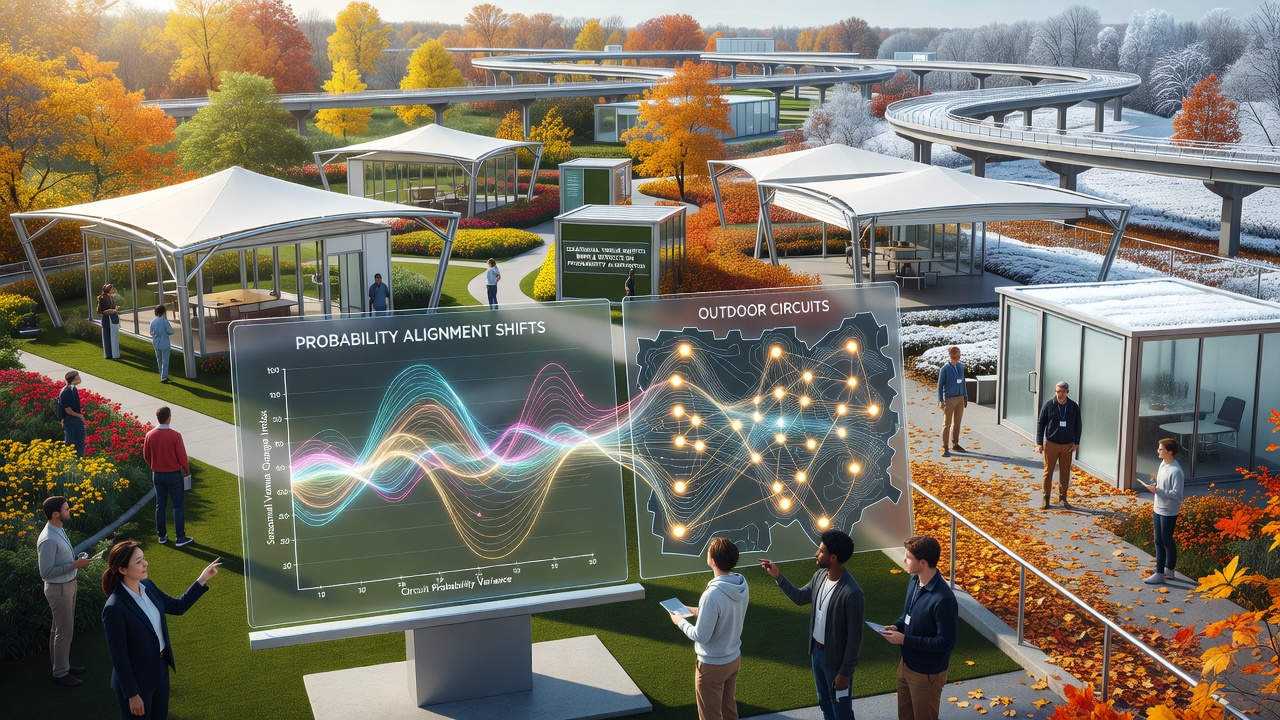
Because indoor environments reduce variance, probability alignments for metrics such as total points or completion rates become more stable, enabling operators to introduce progressive incentive tiers that build on earlier outdoor-focused offers. This layering approach relies on cross-referencing venue transition dates with performance databases rather than relying on single-event snapshots.
Layering Strategies Across Seasonal Boundaries
Effective layering requires operators to map venue calendars against probability models derived from multi-season data sets. Government reports from the Norwegian Gaming Authority note that regulated operators who integrate venue transition data into promotional planning achieve more consistent user retention across seasonal boundaries. The process involves dividing the calendar into outdoor-dominant and indoor-dominant periods, then assigning incentive components that match the probability characteristics of each period.
Those who have examined operator practices across different jurisdictions observe that the most structured layering occurs when sign-up offers include both an initial component calibrated to outdoor variance and a follow-on component calibrated to indoor stability. This dual-structure approach accommodates the ripple effects that venue changes produce in probability alignments without requiring mid-season adjustments.
Conclusion
Seasonal venue shifts generate measurable changes in probability alignments that span outdoor circuits and indoor arenas, and operators incorporate these changes into sign-up incentive layering through data-driven sequencing. Records from multiple regulatory and research bodies demonstrate that aligning promotional structures with venue calendars produces more predictable engagement patterns across annual cycles. As August 2026 data continues to accumulate, the relationship between venue transitions and incentive design remains a central focus for operators seeking to maintain alignment with evolving probability sets.