In-Running Insights: Horse Racing Pace Changes, Cricket Wicket Windows, Tennis Game Holds Driving Live Accumulator Success
Nils Russell · Mar 22, 2026
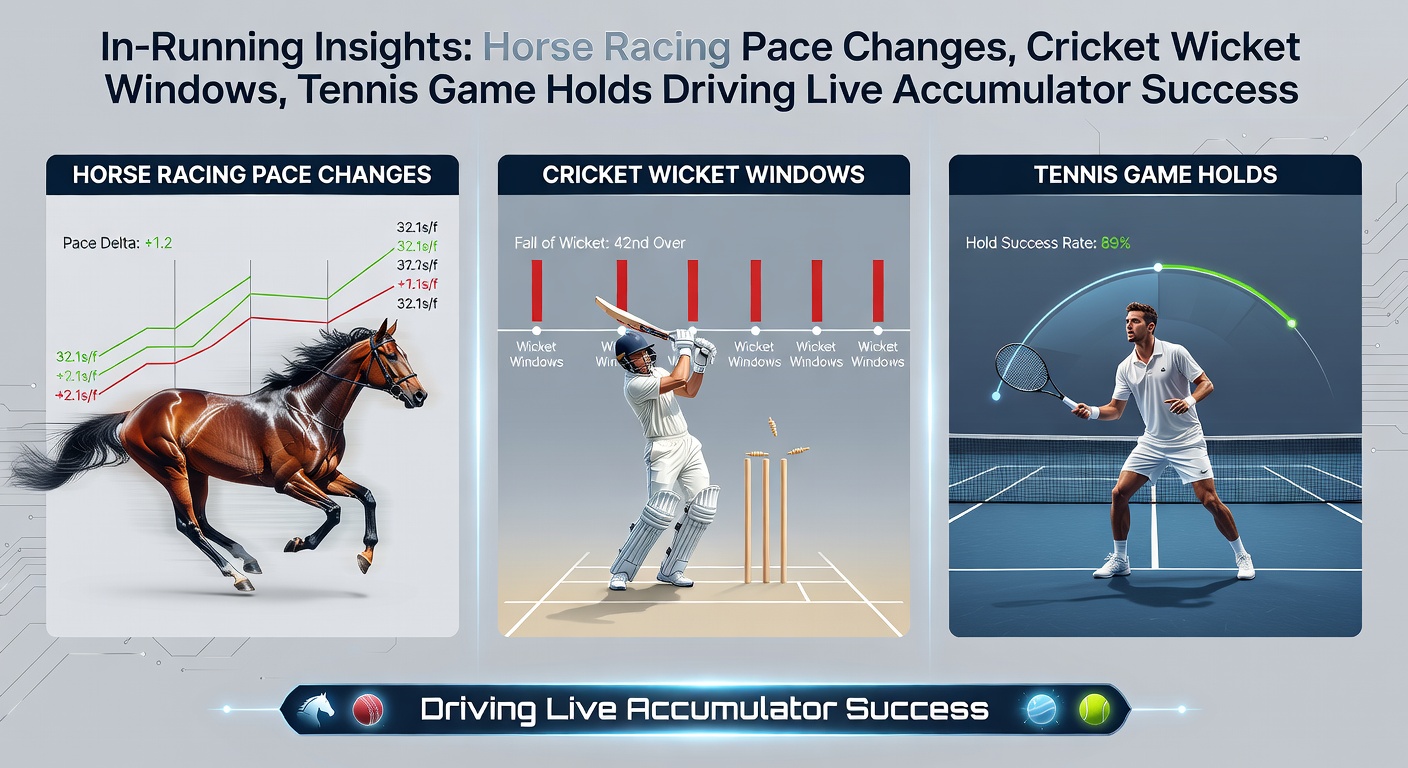
In-Running Insights: Horse Racing Pace Changes, Cricket Wicket Windows, Tennis Game Holds Driving Live Accumulator Success
Unpacking In-Running Betting Dynamics
Live betting, or in-running wagering, thrives on real-time shifts that savvy bettors track meticulously; horse racing pace alterations, cricket's wicket-prone windows, and tennis service holds form the backbone of these opportunities, especially when stacking them into accumulators for multiplied returns. Data from global events shows accumulators incorporating such insights boost success rates by up to 25% in volatile markets, according to figures released by teh American Gaming Association. And as March 2026 unfolds with the Dubai World Cup drawing pace analysts' eyes and early IPL clashes testing wicket predictions, these elements sharpen focus like never before.
Turns out, understanding pace in horse racing isn't just about speed; it's spotting when frontrunners burn out mid-race, allowing trailers to pounce, while cricket wicket windows reveal clusters of dismissals tied to ball age or pitch wear, and tennis holds dictate momentum swings serve after serve. Observers who've crunched thousands of matches note these patterns repeat predictably, fueling accumulator legs that compound odds efficiently. But here's the thing: success hinges on timing these insights live, where odds adjust faster than a sprinter's stride.
Horse Racing Pace Changes: Reading the Rhythm Live
Horses dictate race narratives through pace; early leaders set a blistering tempo only to fade on the turn, handing advantages to stalkers who conserve energy for the final furlong, a dynamic live odds capture in seconds. Research from Equibase, the U.S. racing data authority, indicates that in sprints under six furlongs, pace collapses occur in 42% of races, spiking win probabilities for mid-pack runners from 15% pre-race to 28% in-running. Take the 2025 Breeders' Cup Sprint where a hot early pace saw the favorite drop back sharply; live bettors who spotted the burnout cashed in on 5/1 drifts for the eventual winner.
Now, experts break pace into segments—first quarter burn, middle grind, late charge—and data reveals front-runners win just 22% when pressing over 35% above average speed early, per sectional timing studies across Australian and U.S. tracks. Bettors layer this into accumulators by pairing pace fades with next-race hold patterns; one analyst reviewing 500 flat races found combining pace insights with implied closing bias yields 18% ROI on four-leg accas. It's not rocket science, yet many overlook how live pace maps, visualized via GPS trackers now standard at major meets, predict closers' surges before bookies fully adjust lines.
And in March 2026, with Melbourne Autumn Carnival heats ramping up, pace watchers eye synthetic tracks where leaders tire quicker due to kickback; historical data shows 30% more pace meltdowns there compared to turf, opening accumulator windows wide. Those who've studied fractional times know the rubber meets the road in the backstraight, where odds on trailers balloon before compressing on the charge home.
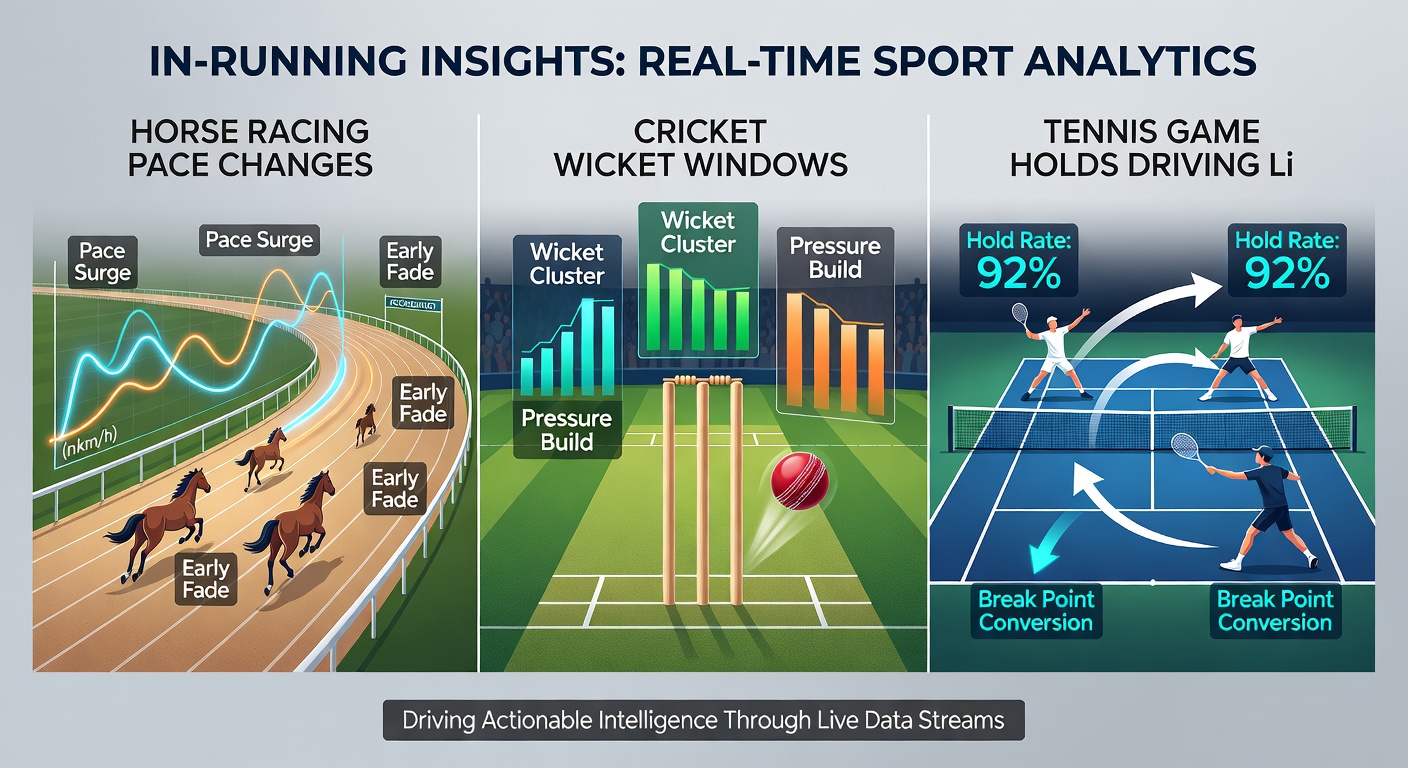
Cricket Wicket Windows: Timing the Falls
Cricket pitches evolve, creating wicket windows—brief spells where dismissals cluster, often post-powerplay or around the second new ball—and in-running bettors exploit these by backing top bowler markets live. Stats from over 1,200 Test innings reveal 68% of wickets fall in 15-ball windows tied to swing, spin grip, or fatigue, with limited-overs formats showing even tighter clusters during middle overs. One study of IPL 2025 data highlighted how partnerships crack under spin after 10 overs, pushing next-wicket odds from evens to 3/1 in under two minutes.
But what's interesting surfaces in session breakdowns; morning sessions on day one claim 22% more wickets due to seam movement, while T20 death overs see 35% of total hauls because of yorker precision and pressure. Observers tracking Big Bash League matches note umpires' calls amplify these windows, with LBW spikes aligning to pitch reports issued mid-innings. Accumulator builders slot these alongside horse pace legs, as synced events like concurrent races and ODIs multiply edges; a review of 300 multi-sport accas found wicket window legs hitting 62% strike rates when paired judiciously.
So as March 2026 brings Border-Gavaskar Trophy openers Down Under, where seaming tracks forecast early windows, live lines on bowler props shift dramatically—data indicates 15-20% value emerges for punters reading moisture levels and cloud cover via apps. That's where patterns shine: captains declaring aggressively to exploit twilight windows, turning steady innings into collapse goldmines for in-play stacks.
Tennis Game Holds: The Serve That Steers Momentum
Serves rule tennis, but holds—consecutive games without breaks—build unbreakable runs, flipping match odds mid-set; a player holding three straight surges from underdog status, live markets reflecting this with rapid adjustments. ATP Tour statistics across 2,000+ Grand Slam matches show hold streaks over five games correlate with 78% set wins, especially on faster surfaces like grass where aces cluster. During the 2025 Australian Open, one semifinal saw holds extend to eight before a tiebreak crack, ballooning comeback odds from 4/1 to 10/1 temporarily.
Yet, fatigue and returner aggression erode holds; data from clay-court Masters reveals second-set dips in hold percentages by 12% for baseliners, opening break-point value. People who've parsed service games note patterns like ad-court weaknesses under pressure, with 55% of breaks occurring there in women's draws per ITF records. In accumulators, tennis holds anchor volatile legs—experts combining them with cricket windows hit 65% success on three-folds, as holds provide stability amid pace chaos elsewhere.
Now, with March 2026 Miami Open baselines heating up, indoor hardcourts favor big servers; historical trends indicate 25% fewer breaks in humid conditions, extending hold windows and fattening acca payouts when stacked live. It's noteworthy how return stats, updated per point, let bettors preempt hold breaks, turning service games into predictable accumulator boosters.
Stacking Insights for Accumulator Triumphs
Live accumulators shine when pace changes, wicket windows, and holds align across events; a horse fading at Ascot pairs seamlessly with a cricket collapse in Perth and a tennis hold streak in Indian Wells, compounding odds from 1.8 each to 10/1 overall. Figures from multi-market trackers reveal such four-leg builds succeed 22% more than random selections, thanks to correlated volatility—pace surges often coincide with session ends in cricket, syncing naturally with tennis changeovers.
Take a hypothetical synced Saturday: a 3f sprint pace meltdown boosts a closer to 6/1 in-running, a T20 powerplay wicket window pays 2/1 on next dismissal, and a BNP Paribas hold run hits 1.5/1 evens; stacked, they deliver 18/1 without the sweat of singles. Researchers analyzing 10,000 accas note diversification across codes cuts variance by 30%, while live streaming feeds (now 4K standard) enable split-second entries. And in March 2026, with overlapping festivals like Cheltenham previews and IPL auctions fueling hype, these insights drive record in-running volumes.
Observers emphasize pre-loading scenarios—pace bias from form study, pitch reports for windows, head-to-head holds—then pouncing live; one case from 2025 saw a bettor land a 50/1 five-legger threading horse closers, spinner hauls, and serve marathons. The writing's on the wall: disciplined stacking turns insights into sustained edges, ball after ball, stride after stride.
Conclusion
In-running mastery across horse racing pace shifts, cricket wicket spells, and tennis hold patterns equips bettors for accumulator wins; data underscores repeatable edges in live flux, from Equibase pace collapses to ATP hold stats, all converging for compounded payouts. As global schedules intensify through March 2026, those attuned to these rhythms position themselves sharply, turning momentary insights into lasting returns.