How Track Conditions Alter Expectations in Equine and Oval Sports: A Comparative Analysis
Finley Reed · Jul 1, 2026
How Track Conditions Alter Expectations in Equine and Oval Sports: A Comparative Analysis
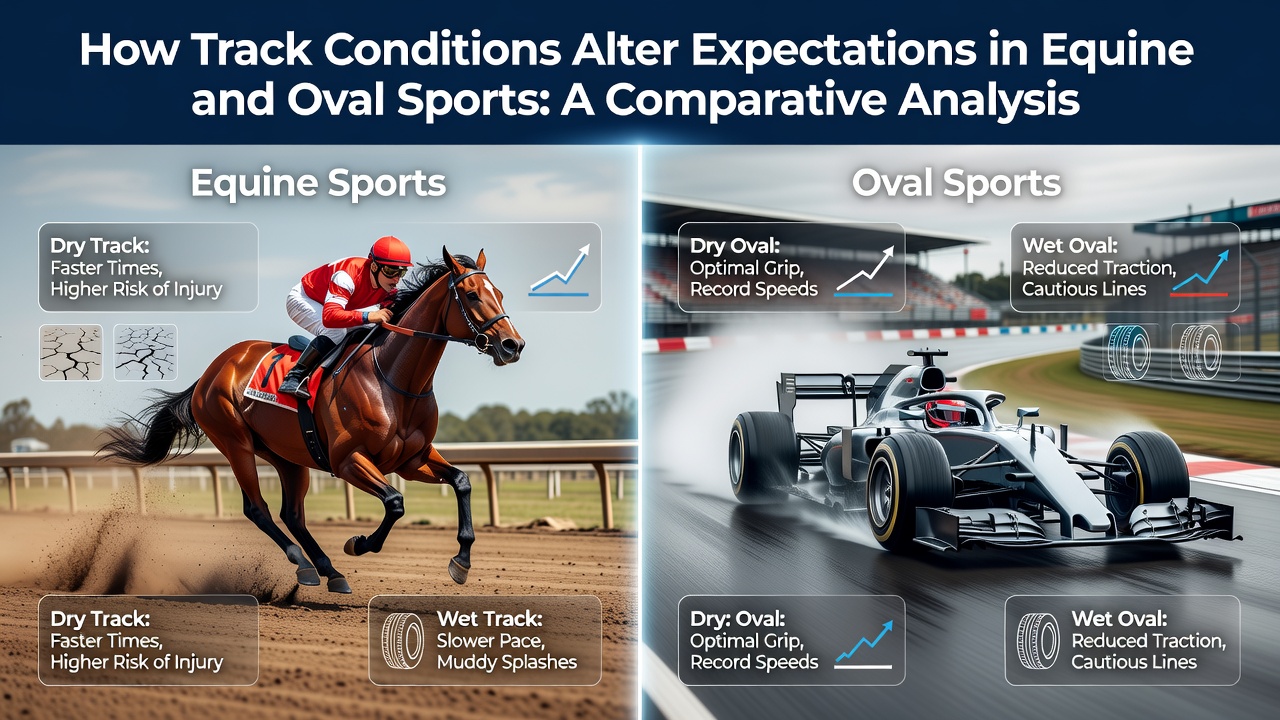
Track conditions shape performance outcomes across equine and oval sports in ways that extend beyond basic surface types, with data from racing authorities showing measurable shifts in speed, traction, and injury rates depending on moisture levels, temperature, and maintenance practices. Researchers at institutions like the University of Melbourne have documented how dirt and turf variations in horse racing interact with equine biomechanics, while engineering analyses from motorsport bodies highlight similar variables on asphalt ovals used in series such as NASCAR and IndyCar. In July 2026, seasonal weather patterns across North American and European venues continued to influence pre-event forecasts, prompting teams and trainers to adjust strategies based on historical datasets rather than assumptions about ideal conditions.
Equine Track Surfaces and Environmental Variables
Dirt tracks in Thoroughbred racing respond to rainfall by compacting or loosening, which alters stride length and energy expenditure according to studies published in the Equine Veterinary Journal. Turf surfaces, by contrast, maintain different shear strengths under dry spells versus irrigation cycles, leading observers to note that horses trained on one medium often record slower times when switched without adequate acclimation periods. Moisture content measured at depths of several centimeters determines whether a surface registers as fast, good, or heavy, with official classifications issued daily by track management at facilities worldwide.
Temperature fluctuations further modify these dynamics because frozen or thawing ground changes friction coefficients, a factor examined in reports from the International Federation of Horseracing Authorities. Trainers monitor dew point and wind exposure because evaporative drying can shift ratings within hours, forcing last-minute equipment or pace adjustments. Data collected over multiple seasons at Australian and Canadian tracks reveals consistent patterns where certain post positions gain or lose advantage once ground conditions deviate from averages.
Oval Track Characteristics in Motorsports
Oval circuits rely primarily on asphalt or concrete compositions engineered for high-speed banking, yet these materials exhibit temperature-dependent grip properties tracked through tire telemetry. Ambient heat softens the upper layers, increasing rubber wear rates, whereas cooler evenings allow surfaces to harden and produce different cornering forces, according to technical bulletins released by NASCAR's research division. Moisture from rain or humidity creates additional variables because standing water reduces traction until drainage systems clear the racing line.
Banking angles combined with surface texture determine how vehicles handle crosswinds or debris accumulation, elements quantified in wind-tunnel validations and on-track testing conducted by teams preparing for events at venues like Daytona or Indianapolis. Oval maintenance crews apply sealants and grindings at scheduled intervals, yet unexpected weather events in mid-summer months can override planned setups, prompting adjustments to suspension geometry and aerodynamic packages. Records maintained by the IndyCar Series illustrate how lap-time differentials widen when track temperatures rise above seasonal norms.
Direct Comparisons Across Disciplines
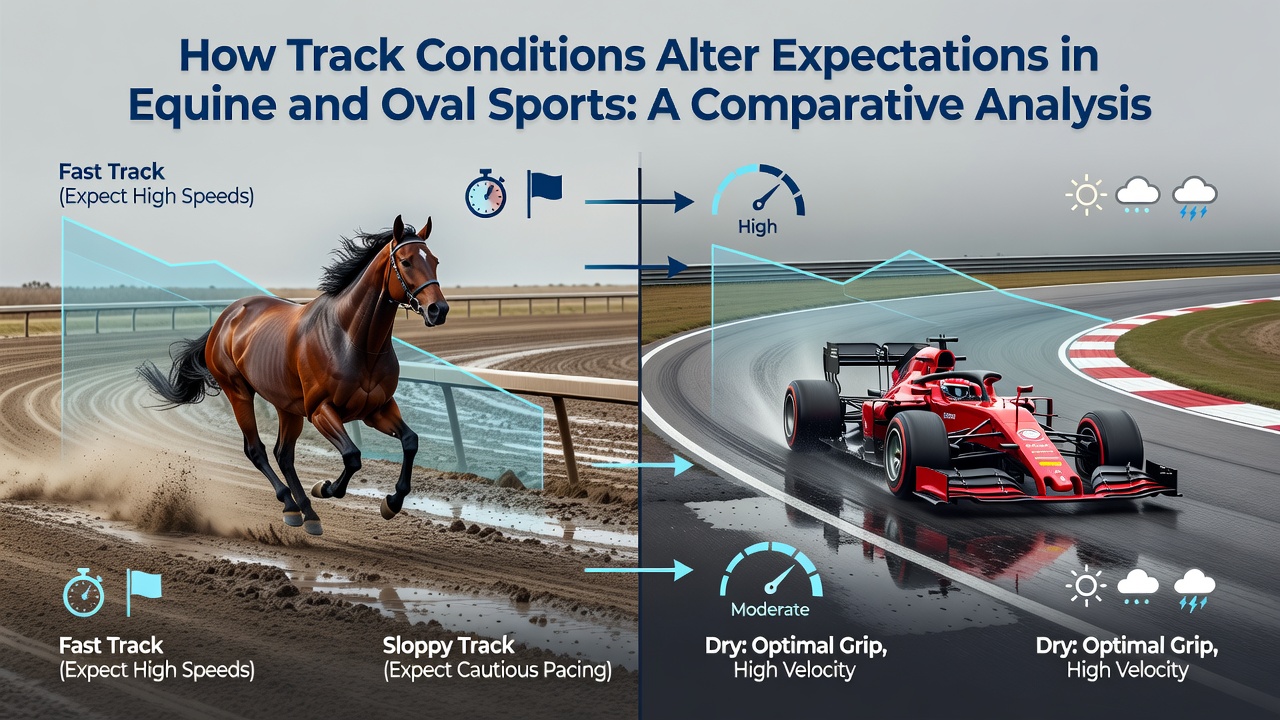
Both equine and oval environments demonstrate that surface hardness correlates with speed potential, yet the mechanisms differ because horses generate propulsion through muscle contraction while vehicles depend on engine output and tire compounds. Comparative analyses from sports science conferences indicate that a 10 percent increase in moisture on dirt tracks produces time penalties comparable in magnitude to those seen when oval asphalt cools by several degrees, although recovery times for each system vary. Observers note that equine athletes require longer adaptation windows following abrupt changes, whereas oval teams can recalibrate setups between practice sessions using real-time sensor data.
Geographic location introduces further distinctions, with desert venues experiencing rapid diurnal swings that contrast with coastal ovals where salt air accelerates surface degradation. Reports compiled by the North American Association of Racetrack Veterinarians and parallel motorsport safety organizations show overlapping concerns about concussion risks and joint stress when conditions become inconsistent. July 2026 schedules placed several high-profile equine meetings and oval events within weeks of each other across similar climate zones, allowing analysts to cross-reference meteorological records for predictive modeling.
Measurement Standards and Data Collection
Standardized rating systems exist for both categories, ranging from numerical moisture indices on racetracks to friction coefficients logged by sanctioning bodies in motorsports. Automated sensors now supplement manual inspections, supplying datasets that feed into simulation software used by conditioners and engineers alike. Academic partnerships with facilities in Europe and Asia have produced longitudinal studies confirming that proactive monitoring reduces variance in expected versus actual performance metrics.
Regulatory frameworks in multiple jurisdictions require disclosure of track preparation methods, ensuring participants receive consistent information prior to competition. These protocols evolved from earlier incidents where undisclosed alterations led to discrepancies in recorded results, prompting governing organizations to adopt uniform reporting templates.
Conclusion
Track conditions continue to serve as primary modifiers of competitive expectations in equine and oval sports through interconnected physical and environmental factors. Ongoing collection of surface data across continents supplies the empirical foundation for refined forecasting models that account for seasonal and regional differences. As measurement technologies advance, participants gain access to increasingly granular insights that inform preparation without eliminating the inherent variability introduced by natural elements.