Geographic Influences on Performance Data in Equine, Racket, and Team Ball Events for Layered Wagers
Logan Ludwig · May 27, 2026
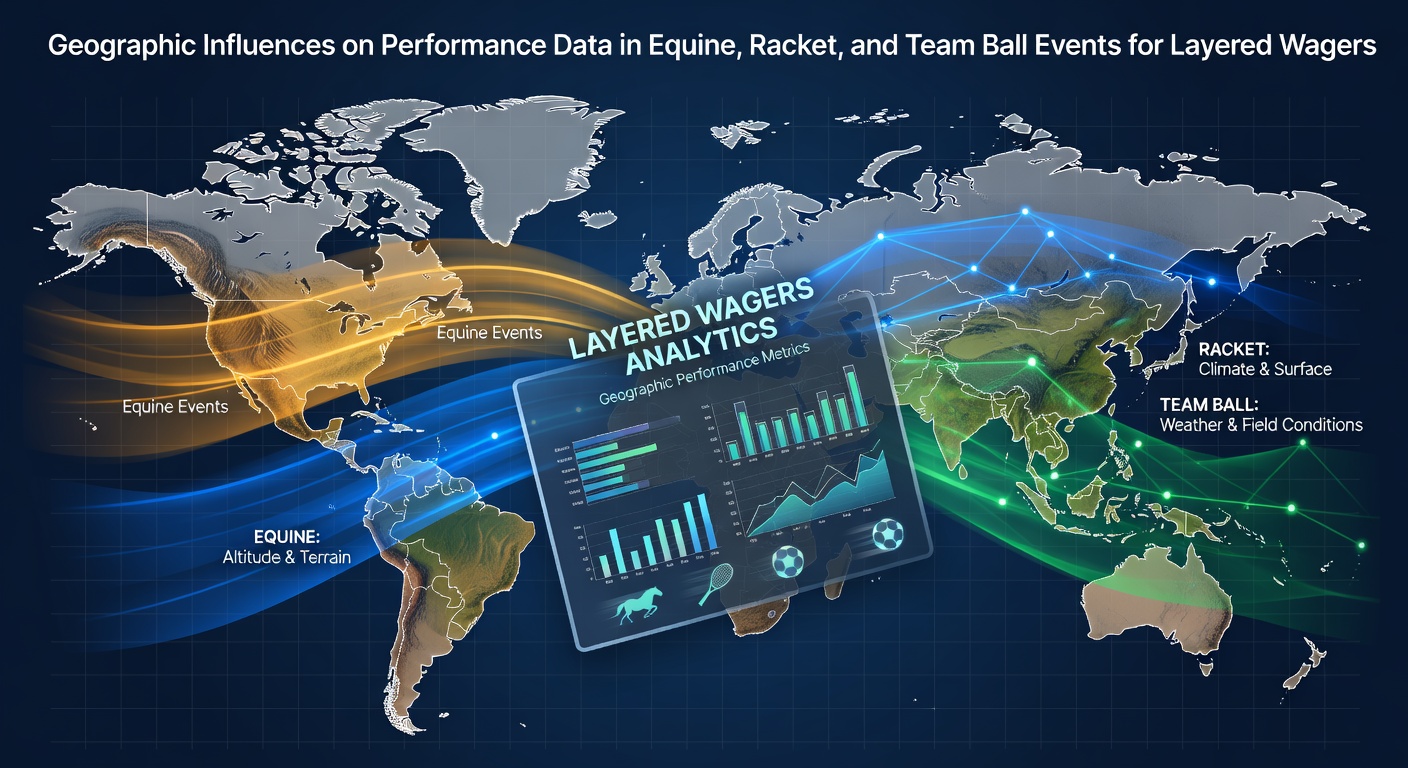
Geographic Influences on Performance Data in Equine, Racket, and Team Ball Events for Layered Wagers
Geographic elements shape performance metrics across equine racing, racket sports, and team ball competitions, and those who analyze layered wagers incorporate such variables into their evaluations. Elevation, climate patterns, soil composition, and regional weather systems alter outcomes in measurable ways, according to data compiled by sports research organizations. In May 2026 analysts continue to track how these factors shift statistical baselines for multi-leg betting structures that combine events from different disciplines and locations.
Equine Events and Terrain Specifics
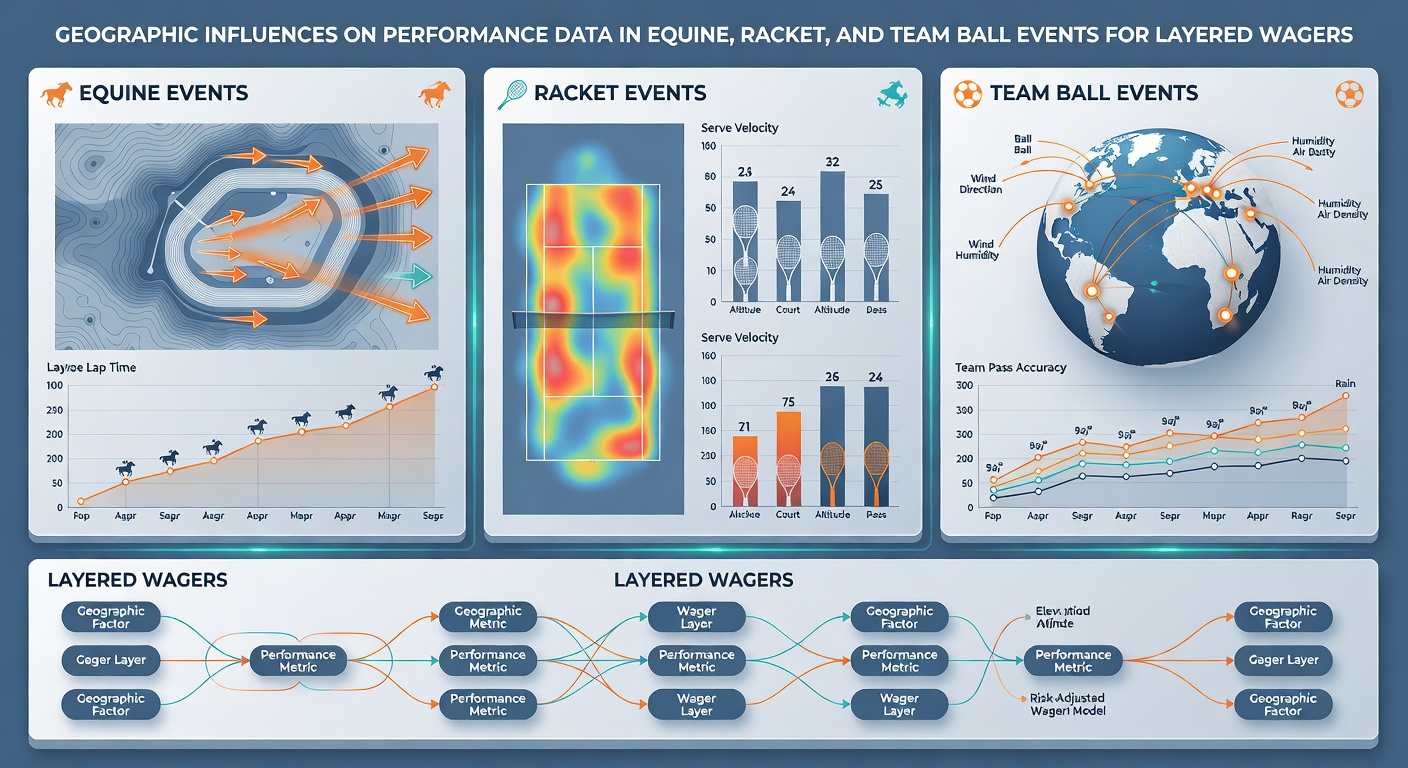
Horse racing performance records reveal consistent variations tied to track geography, with surface types and altitude playing central roles in speed and stamina figures. Tracks situated at higher elevations, such as those in parts of the American West, produce slower overall times because thinner air reduces oxygen availability for equine athletes during extended distances. Data from the Australian Racing Board shows that coastal venues with firmer turf yield faster sprint results compared to inland courses where softer ground conditions prevail after seasonal rains. Bettors constructing layered wagers often adjust probability models when events span multiple regions because historical pace charts diverge sharply between flat, sea-level circuits and undulating mountain routes.
Soil composition further influences stride efficiency, and researchers have documented how clay-heavy surfaces in certain European circuits increase energy expenditure for horses compared to sandy substrates common in Australian and Middle Eastern facilities. These differences accumulate across race distances, creating layered data points that feed into accumulator calculations involving both thoroughbred and harness categories. Observers note that when a wager combines a high-altitude event with one at sea level, the performance delta requires recalibration of expected value inputs rather than reliance on raw averages.
Racket Sports and Environmental Variables
Tennis and similar racket disciplines demonstrate clear geographic signatures in serve percentages, rally lengths, and error rates, particularly when matches occur at varying altitudes or under distinct humidity regimes. Venues like those in Bogota or Mexico City sit at elevations exceeding 2,000 meters, where reduced air density allows the ball to travel farther and faster, boosting ace counts while shortening average point durations. Studies published through the International Tennis Federation highlight how these conditions alter player statistics compared to low-lying tournaments in Melbourne or London, where denser air and higher humidity slow ball flight and increase physical demands on recovery between points.
Climate patterns add another layer, with desert locations producing rapid court temperature spikes that affect grip and ball bounce consistency. Performance databases maintained by university sports science departments show measurable drops in second-serve win rates during afternoon sessions in arid zones versus temperate morning schedules. When layered wagers link tennis outcomes with other sports, these regional adjustments become essential because a player’s historical hold percentage shifts measurably depending on the tournament’s geographic profile.
Team Ball Events and Regional Conditions
Soccer and basketball competitions exhibit geographic influences through pitch or court conditions, travel-related fatigue, and weather impacts on ball behavior. High-altitude stadiums in South America have long been associated with reduced aerobic capacity for visiting teams, leading to lower goal tallies and altered possession metrics according to FIFA technical reports. In basketball, indoor venues at elevation still experience secondary effects from drier air that changes ball inflation consistency and player hydration requirements over multiple quarters. League data from North American and European circuits indicate that teams accustomed to sea-level training display distinct shooting percentage declines when competing in mountain cities during extended road trips.
Weather systems also reshape team ball statistics, with heavy rainfall in temperate zones slowing pitch speeds in soccer while increasing slip risk, thereby elevating foul counts. Layered wagers that combine these events with equine or racket legs must account for such variances because aggregate performance data collected across continents diverges from single-region baselines. Research from the Australian Institute of Sport demonstrates that multi-sport accumulators achieve greater predictive stability when geographic modifiers are applied to each component rather than treating all inputs as uniform.
Integrating Geographic Data into Layered Wagers
Those constructing multi-leg bets draw on geographic performance datasets to refine probability estimates across equine, racket, and team ball selections. Statistical models now incorporate elevation corrections, surface coefficients, and climate indices because raw historical averages fail to capture location-driven deviations. In May 2026 several analytics platforms have expanded their offerings to include real-time geographic overlays that update as weather patterns evolve or venues change between rounds.
Cross-sport accumulators benefit particularly from these adjustments since the impact of altitude on a tennis serve percentage differs from its effect on a soccer player’s sprint recovery or a racehorse’s finishing kick. Organizations such as the National Center for Atmospheric Research provide open datasets that link meteorological records with sports outcomes, enabling more precise weighting when events occur in disparate regions. The result appears in updated odds frameworks where layered wagers reflect cumulative geographic influences rather than isolated event statistics.
Conclusion
Geographic factors produce measurable, documented effects on performance data across equine, racket, and team ball events, and layered wager strategies increasingly integrate these variables through specialized datasets and regional modifiers. Continued collection of location-specific metrics supports refined evaluation methods that span multiple sports and continents while maintaining factual grounding in observed patterns.