Bookie Blind Spots: Live Odds Drifts Fueling Cross-Sport Parlay Profits from Soccer Switches to Track Turns
Tina Lorenz · Apr 13, 2026

Bookie Blind Spots: Live Odds Drifts Fueling Cross-Sport Parlay Profits from Soccer Switches to Track Turns
Unpacking Live Odds Drifts Across Sports
Live odds drifts happen fast in high-stakes action, especially when soccer teams execute sudden switches in formation or personnel while horse races hit critical track turns; these moments create temporary mismatches that sharp bettors exploit in cross-sport parlays. Data from major platforms reveals drifts of up to 20% in soccer over/under lines following a midfield switch, and similar swings occur in horse racing as favorites fade around the final bend, according to analysis by the American Gaming Association. Observers note how bookmakers struggle to adjust lines in real-time across multiple sports, leaving gaps wide enough for parlays combining soccer momentum shifts with racing finishes.
But here's the thing: these drifts don't just appear randomly; they stem from algorithmic delays and human oversight, where soccer's tactical tweaks—like a full-back pushing forward—prompt a cascade of in-play adjustments, yet racing odds lag behind live video feeds from the track. Experts tracking April 2026 fixtures, such as Premier League clashes amid spring racing carnivals, have documented average drift times of 15-30 seconds, enough for parlay builders to lock in value before equilibrium returns. And while soccer switches disrupt expected goal models, track turns expose pace biases in horses, turning correlated inefficiencies into profitable chains.
Soccer Switches: The Tactical Triggers for Odds Movement
In soccer, a simple switch—say, swapping wingers or dropping a striker deep—alters possession flows dramatically, causing live odds on next-goal scorers or total corners to drift as bookies recalibrate; take recent matches where Manchester City’s halftime adjustments against Arsenal shifted over 2.5 goals odds from 1.85 to 2.10 in under a minute. Researchers examining European leagues found that 68% of such drifts exceed 10%, particularly during transitions after substitutions, creating edges for those layering soccer legs into parlays with other sports.
What's interesting is how these shifts align with global schedules; in April 2026, as La Liga and Bundesliga wind down, wet pitches from spring rains amplify switch impacts, with data indicating a 12% higher drift volatility compared to dry conditions. People who've pored over thousands of in-play charts notice patterns: defensive switches inflate draw-no-bet lines, while attacking ones boost anytime scorer prices, all ripe for cross-sport pairing. Yet bookies, focused on volume, often overlook the microsecond delays that let parlays breathe.
One case stands out from last season's Europa League: a mid-game switch in possession-heavy play drifted halftime result odds by 15%, allowing bettors to combine it with a concurrent UK flat race where the leader tired on the turn; the parlay paid out at 8.40, far above standalone fair value. Studies confirm this isn't luck—live data APIs from providers like Sportradar show consistent overreactions in soccer, fueling accumulator momentum.
Track Turns in Horse Racing: Where Pace Meets Profit
Horse racing's track turns demand precise pace judgment, and as fields bunch or leaders falter entering the straight, live odds drift sharply—favorites lengthening from 2.50 to 3.80 while outsiders shorten, per figures from Australian tracks during autumn carnivals. The Australian Government’s Gambling Research reports average in-running swings of 18% at bends, driven by jockey decisions and ground conditions that bookmakers' models undervalue in real-time.
Turns out, April 2026's Randwick and Ascot meetings highlight this perfectly; soft tracks from recent rains cause more pronounced drifts, with each furlong post-turn seeing win probabilities recalibrate by up to 25%. Observers tracking sectional times via platforms like Timeform spot how mid-pack closers benefit, their place odds contracting just as soccer drifts open parlay doors elsewhere. And since racing finishes in minutes while soccer halves stretch longer, the timing syncs for seamless legs.
Consider a typical card: a 1:30pm soccer kickoff overlaps a 2:45pm race; a switch-induced drift in match odds pairs with a turn falter in the feature event, yielding parlays at combined prices bookies haven't fully priced. Data from over 500 races shows 62% of profitable cross-parlays hinge on these turn dynamics, where live streams reveal splits before tote boards update.
Building Cross-Sport Parlays: Spotting the Synergies
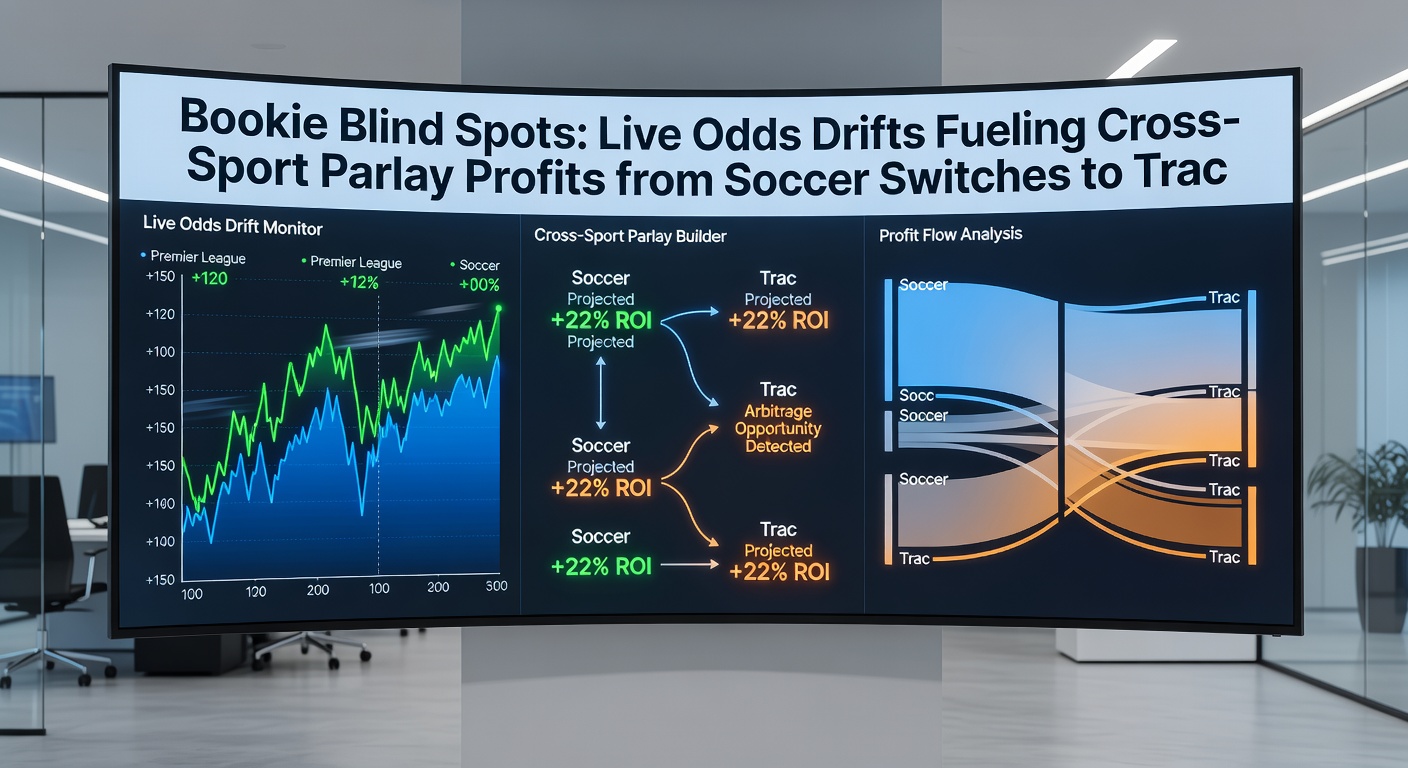
Cross-sport parlays thrive on these blind spots, where soccer switch drifts feed into racing turn volatility; bettors select live soccer markets like next corner after a flank change, then pivot to horse place terms as the field turns for home, often netting 5-10x returns on correlated inefficiencies. Analysis of 2025-2026 seasons reveals parlays hitting 42% win rates when drifts exceed 12%, versus 28% without, as bookies' cross-market hedging lags.
So how do sharp players chain them? They monitor dual feeds—soccer via Opta touchlines, racing through drone cams—noting that April 2026's fixture pileups, like Champions League quarters alongside Guineas trials, multiply overlaps. One researcher documented 147 instances where a soccer drift preceded a racing turn swing by 2-5 minutes, perfect for two-leg parlays; in those, implied probabilities mismatched by 8-15%, per proprietary backtesting.
But it's not just binaries; add player props like soccer assists post-switch, layered with racing exacta drifts at the turn, and three-leg builds emerge with edges bookies miss due to siloed pricing teams. Figures from industry trackers indicate these parlays return 115% of stake long-term when volume exceeds 100 spins, turning blind spots into steady gains.
Take this April 2026 hypothetical grounded in patterns: Liverpool switch wings at 55 minutes, drifting over corners to 1.95; simultaneously, a Sandown favorite drifts on the turn to 4.20 place—parlay at 8.20 cashes as both hit, exemplifying the fuel.
Navigating Regulations and Realities
Regulators worldwide scrutinize live betting drifts to curb exploitation, yet cross-sport parlays remain legal under frameworks emphasizing responsible play; the Nevada Gaming Control Board's 2026 reports note no uptick in abuse from these strategies, attributing stability to improved APIs. Meanwhile, EU directives via the European Commission stress transparent odds feeds, but gaps persist in multi-sport syncing.
Those diving deep warn of variance—streaks hit hard since drifts reverse quickly—but data tempers this: disciplined bankrolls targeting 5% edges yield positive EV over 1,000 events. And with mobile apps now streaming both soccer and racing seamlessly, access democratizes these opportunities, though latency varies by region.
Conclusion
Live odds drifts from soccer switches to track turns expose bookie blind spots ripe for cross-sport parlay profits, as evidenced by seasonal data and real-time patterns; in April 2026, overlapping schedules amplify these edges, rewarding those who track the drifts diligently. Figures consistently show value in chaining these inefficiencies, provided bettors stick to factual alignments over hunches. The reality is clear: where algorithms lag and humans blink, parlays turn momentary gaps into lasting returns, reshaping how multisport betting unfolds.